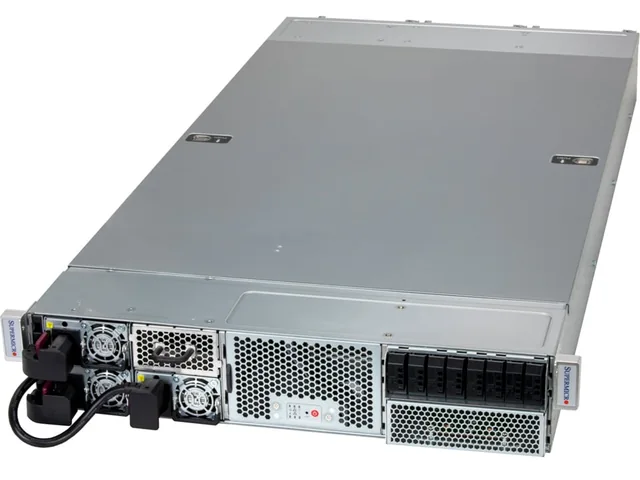
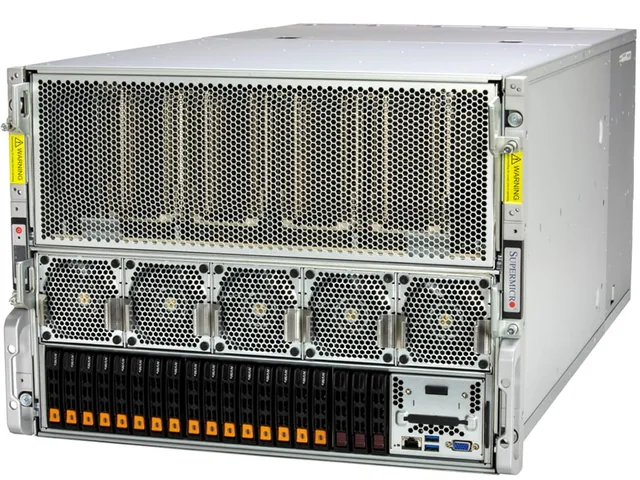
Vera Rubin is in production. What does that mean for a hardware buyer?
NVIDIA's next platform is moving through the supply chain. Production status and a deliverable system are different pieces of information.
From architecture to production
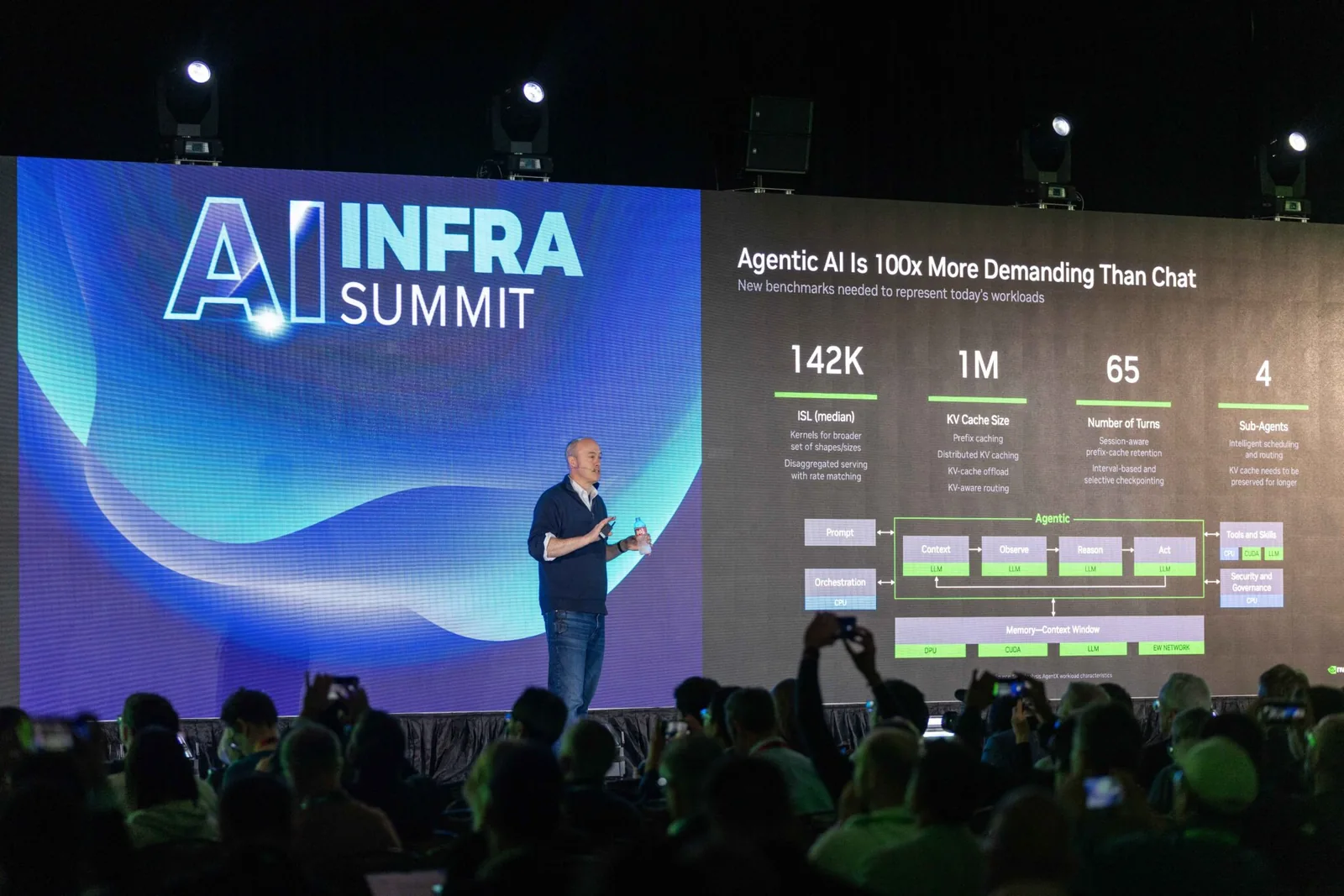
NVIDIA announced full production for its Vera Rubin platform on 31 May 2026. Its September AI Infra Summit update again placed the platform within a wider discussion of AI factories and energy efficiency. The important development is the move from a roadmap proposition towards manufactured, integrated infrastructure. NVIDIA: Vera Rubin enters full production ↗ NVIDIA: AI Infra Summit platform and energy update ↗
For a buyer, however, the words “in production” answer only the first question. They do not establish which configuration a particular supplier can deliver, in what quantity, with which support contract or by which date. A platform can be in production while a specific chassis, network configuration or regional allocation remains subject to a different schedule.
The unit of purchase is getting larger
Rubin also reinforces a systems trend. Its value proposition spans computing, interconnects and the software used to operate large deployments. NVIDIA names multiple server makers in its production announcement, including Dell, HPE, Lenovo and Supermicro. The practical offer still depends on what each manufacturer integrates and qualifies. NVIDIA: Vera Rubin enters full production ↗
That makes an exact bill of materials more useful than an architecture label. Ask which accelerators, host processors, switches, network adapters and cooling components are included. Establish what is factory integrated and what the installation team must supply. A rack that arrives assembled can still depend on a facility that is not ready.
Treat performance claims as a starting point
A vendor's platform comparison can identify an interesting candidate. It cannot, by itself, establish the improvement in your application. Model choice, precision, input length, output length, batching and latency constraints can change the result substantially. The right question is how the proposed configuration performs under the conditions that matter to your users.
For example, a service with unpredictable short requests may value consistently low response times more than peak throughput. A large offline processing job may prioritise completed work per hour. A team running several model families needs evidence that the software path is mature for each of them, rather than one impressive demonstration.
Buy against a deployment date
Build a comparison with three separate dates: when the system can be supplied, when your facility can accept it and when your application can be validated on it. Include the cost of engineering work during the transition. That makes the choice between a current system and a newer platform a commercial decision rather than a generation contest.
Waiting can be sensible when a new architecture solves a hard memory or performance requirement. Buying a qualified existing platform can be equally sensible when the workload is ready and the delivery window is firm. Rubin's production milestone expands the options; it does not remove the need to specify the order.
Sources & further reading
Primary sources for the reported developments and technical context. Analysis and conclusions are our own; linked specifications and documentation can change.
- NVIDIA: Vera Rubin enters full production ↗Published 31 May 2026
- NVIDIA: AI Infra Summit platform and energy update ↗Published 15 September 2026
Sources checked 29 September 2026.