The newest GPU can be the wrong purchase
Our view: a system's generation matters less than the useful work it can deliver within your project's budget and timetable.
Opinion · Our view, supported by the sources below.
The upgrade needs a job
New hardware deserves attention. It does not deserve an automatic purchase order. Our position is that a business should require a new platform to solve a specific constraint: insufficient memory, an unacceptable completion time, poor efficiency under a measured load or a capability the current equipment cannot provide.
That is a demanding standard, but a useful one. Without it, a procurement discussion can become a comparison of architectural prestige. The result may be technically impressive equipment that arrives too late, requires more integration work than expected or spends most of its time lightly used.
A benchmark is evidence, not a business case
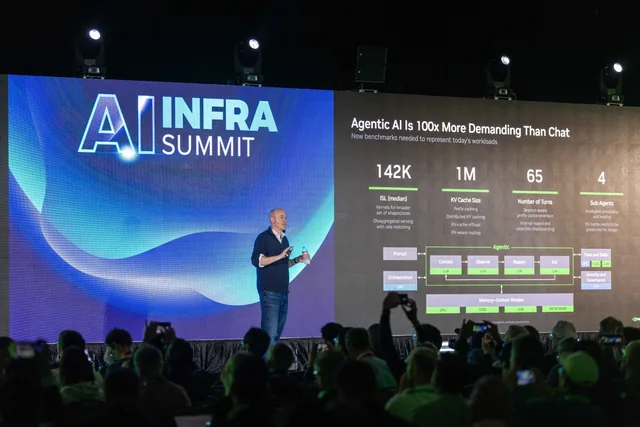
MLPerf's September 2026 inference release expands its workload coverage to include RAG and edge-agent scenarios. That broader scope is valuable precisely because different applications expose different limits. A result still belongs to the tested configuration and conditions. MLCommons: MLPerf Inference v6.1 results and new workloads ↗
For a purchase, connect performance to an operational outcome. How much sooner does a job finish? How many users can receive an acceptable response? What quality is preserved? If a claimed improvement cannot be translated into one of those outcomes, it may not justify the transition cost.
Include engineering time in that cost. Validation, model changes, monitoring and staff familiarity are real resources. A platform that is already understood may offer a shorter path to productive use than one with a better specification but an unfinished deployment plan.
There are good reasons to buy the new platform
This argument is not a recommendation to keep old equipment indefinitely. A hard memory limit can make an existing system unsuitable. A newer architecture may reduce the number of machines needed for a sustained workload. Support requirements or application dependencies can also make replacement the sensible option.
The point is to make those reasons explicit. If the application genuinely benefits from the new platform, a representative test and a complete cost comparison should strengthen the case rather than weaken it.
Put a date next to the result
Compare when each option can start delivering useful work, not only how fast it might eventually run. Include supply, installation and acceptance. A project with a deadline can value earlier capacity differently from a research programme with flexibility.
Then ask what happens if demand changes. Can the system serve another workload? Is the software stack maintainable? Which assumptions drive the economics?
We favour ambitious hardware when the application earns it. We also favour a well-priced, qualified existing system when it gets the job done. The right purchase is the one whose advantages survive contact with the workload, the installation and the calendar.
Sources & further reading
Primary sources for the reported developments and technical context. Analysis and conclusions are our own; linked specifications and documentation can change.
- MLCommons: MLPerf Inference v6.1 results and new workloads ↗Published 16 September 2026
Sources checked 29 September 2026.