Trainium gives the AI race another kind of competitor
Custom silicon is changing the capacity market. It also asks buyers to compare platforms and commercial commitments, rather than chips alone.

A large commitment to a different platform
Amazon and OpenAI's February 2026 partnership includes two gigawatts of Trainium capacity. The announcement references Trainium3 and Trainium4, with Trainium4 delivery expected to begin in 2027. The agreement therefore combines existing platform development with a future delivery plan; it should not be described as two gigawatts of next-generation hardware already installed. Amazon and OpenAI: Trainium capacity agreement ↗
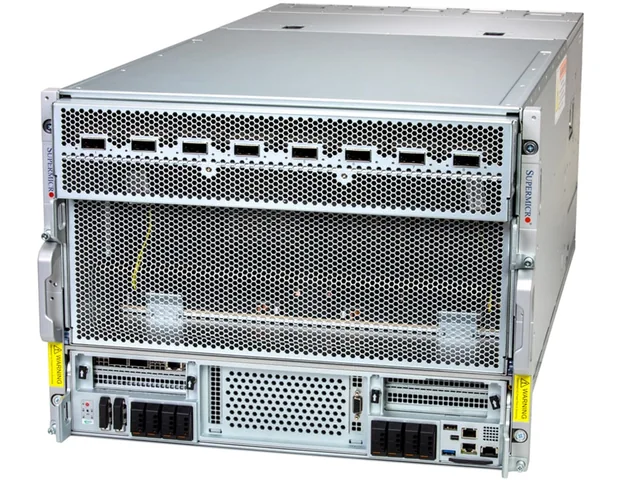
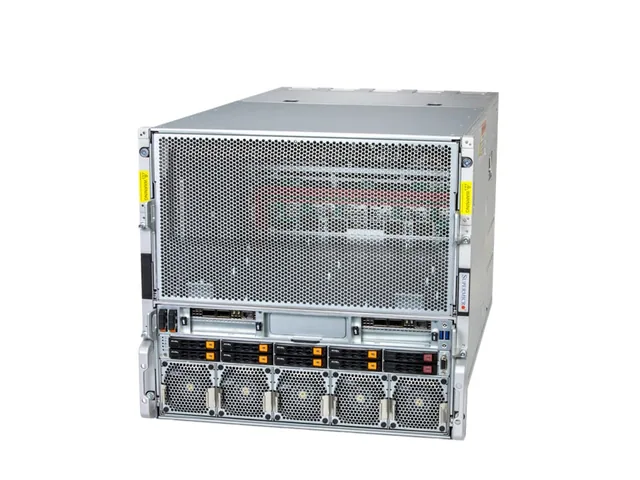
The relevance extends beyond the two companies. A cloud provider with its own accelerator can compete on the combined offer of hardware, software and access to capacity. Customers encounter that competition through an operating environment and a contract, rather than through a stand-alone board they can install in their own rack.
Compare the work, not the chip label
A useful evaluation starts with an application that can be reproduced. Fix the model revision, data, numerical settings and output-quality requirements. Then measure the time and resources needed to complete the same work on each candidate environment.
Include the effort required to get there. A lower operating bill may justify a migration, but the engineering cost belongs in the calculation. So does the ongoing work of maintaining different deployment paths. If a framework or model implementation requires adaptation, record that as a dependency rather than treating it as a free future improvement.
Commercial flexibility has a value
Cloud capacity can help a company start without building a facility. Longer commitments may offer different economics but introduce another question: how predictable is the demand? A workload that changes rapidly can make a seemingly attractive reservation less useful.
Hardware ownership has the opposite shape in some respects. The equipment is available to the owner, subject to maintenance and capacity limits, but the capital commitment remains whether the workload arrives or not. Resale value and future reuse are uncertain and should be treated as assumptions, not guaranteed offsets.
Competition is useful when alternatives are usable
Our reading is that custom accelerators widen the range of credible ways to buy compute. That can benefit a GPU buyer even if the final choice remains a conventional server: a genuinely usable alternative improves the quality of the comparison.
But a provider appearing in a spreadsheet is not yet an alternative. A small proof of deployment, a reproducible benchmark and a clear view of the service terms make it one. Trainium's role in major capacity commitments warrants attention. The decision for an individual business still depends on whether the platform can run its work well, on terms the business can sustain.
Sources & further reading
Primary sources for the reported developments and technical context. Analysis and conclusions are our own; linked specifications and documentation can change.
- Amazon and OpenAI: Trainium capacity agreement ↗Published 27 February 2026
Sources checked 29 September 2026.