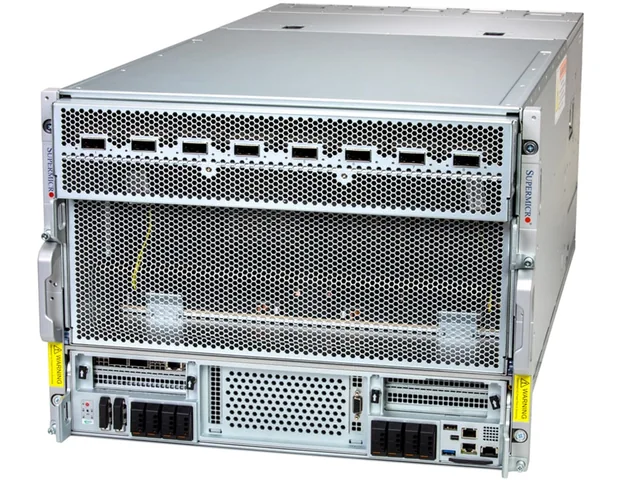
Anthropic's $11.6 billion Akamai deal puts CPUs back in the picture
The September agreement concerns growing CPU workloads. It is a reminder that an AI service contains much more than its model-serving GPUs.
Read the noun after the number
On 24 September 2026, Akamai announced an $11.6 billion contractual commitment from Anthropic over seven years. The announcement specifically identifies CPU workload growth. It also describes potential further expansion, which should not be counted as part of the initial committed amount. Akamai: seven-year, $11.6 billion Anthropic commitment ↗
The distinction matters. A large AI infrastructure agreement is easily interpreted as another order for accelerators. In this case, the stated demand is for CPU infrastructure and associated software. The release does not provide a detailed map of Anthropic's internal workloads, so it would be speculation to assign the contract to particular services.
What surrounds the model
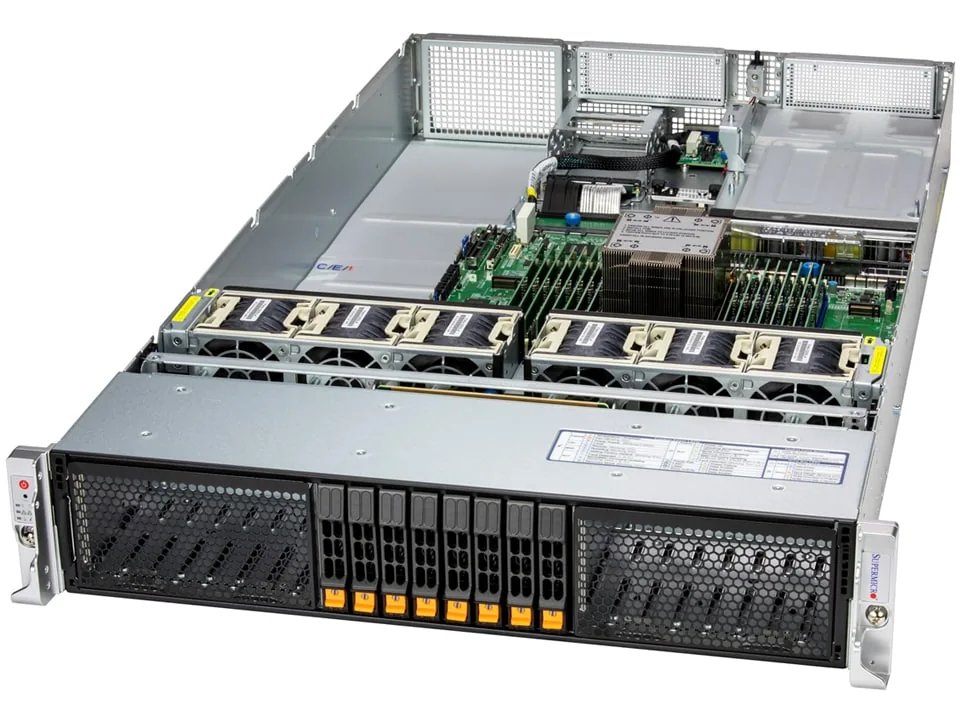
In a typical AI application, model inference is only one stage. Authentication, request routing, document processing, databases, tool execution and logging can all require substantial general-purpose computing. These are architectural examples, not a description of the undisclosed systems behind this agreement.
Consider a document assistant. Before a GPU generates an answer, the application may need to check permissions, retrieve records, prepare a prompt and contact another service. After generation, it may need to validate an output or store an audit record. Speeding up the model does not automatically speed up those surrounding steps.
The purchasing implication
This is a useful corrective for teams that allocate almost the entire hardware budget to GPUs. An accelerator can wait for data, share a constrained host or sit behind a slow application service. Expensive compute is not productive simply because it is installed.
That does not mean every GPU purchase needs an oversized CPU configuration. It means host and application requirements should be measured. Track data preparation time, CPU utilisation, storage latency and network activity together with GPU utilisation. Look for the stage limiting completed work before deciding which component to upgrade.
For distributed applications, also distinguish the CPU inside a GPU server from the separate machines running databases, storage gateways or control services. They may have different availability, memory and scaling requirements. Treating all CPU demand as one line item can conceal those differences.
A broader definition of AI infrastructure
The agreement's seven-year term also separates long-term demand planning from immediate installed capacity. A contractual commitment is not a same-day deployment report. Its relevance is the scale and duration of the demand Akamai says it will support.
Our interpretation is straightforward: the AI infrastructure market should be understood as an ecosystem of services and machines. Accelerators remain central, but a useful buying plan follows the whole application. For many businesses, the next meaningful performance improvement may come from making the equipment they already own spend less time waiting.
Sources & further reading
Primary sources for the reported developments and technical context. Analysis and conclusions are our own; linked specifications and documentation can change.
- Akamai: seven-year, $11.6 billion Anthropic commitment ↗Published 24 September 2026
Sources checked 29 September 2026.